
01 · define
The central question
The intended audience, jurisdiction, decision, available evidence and consequences are agreed before the work expands.
gender advisory & international
Gender advisory is most useful where principle, governance and practice meet. Directors and institutions need the issue framed clearly, the decision identified and the implications made intelligible to those responsible for oversight.
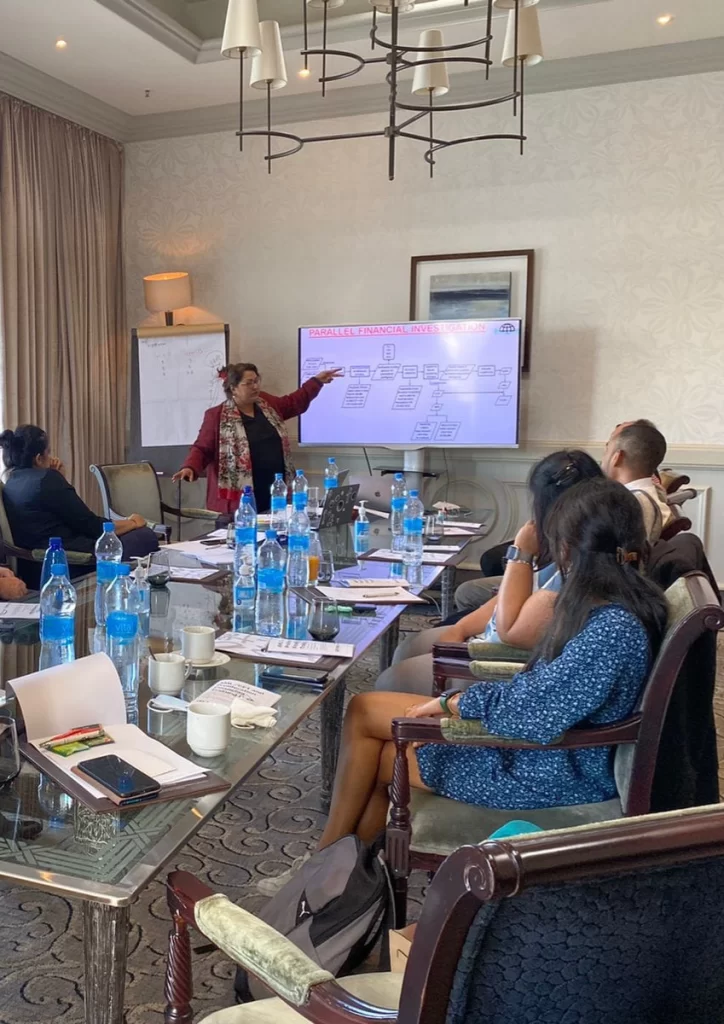
for boards & directors
Lex Aquila Advocates advises boards, directors and institutions on gender-related questions in their legal and organisational setting. An instruction may call for a concise advisory note, a director-level briefing, an examination of an existing approach or a workshop designed around a defined decision.
The form should follow the need. A board may require analysis focused on oversight and accountability. An institution may need to connect a stated position with everyday practice. A training mandate may require careful vocabulary, relevant scenarios and a precise understanding of the audience.
The work begins by narrowing the question. What is the institution trying to change. Who has authority to decide. Which documents or practices govern the present position. Who must implement the result. The output should remain usable after the meeting has ended.
Advice is independent and proportionate. It distinguishes a legal conclusion from an organisational choice, records the assumptions on which it proceeds and leaves directors with a defined next decision rather than a broad statement of aspiration.
from scope to delivery
01 · define
The intended audience, jurisdiction, decision, available evidence and consequences are agreed before the work expands.
02 · advise
Advice may be delivered through a note, director briefing, institutional analysis or training, according to the mandate rather than a generic formula.
03 · implement
Where several stakeholders or countries are involved, responsibilities and points of decision are established so the work remains coherent.
international consultancy
Me Mokshda Pertaub has served as consultant to UN Women, UNODC and UNDP. Her wider verified work has addressed gender-based violence, violence against women and training for police and judicial audiences. These engagements are stated as experience; they do not imply endorsement of the chambers by any named organisation.
She is also a former Director of the Institute for Judicial and Legal Studies, having been appointed in January 2017. That combination of legal practice, director-level responsibility and international consultancy informs advice that is attentive both to institutional purpose and to the people expected to carry it out.
Gender advice should not be imported as a generic formula. Legal, institutional and operational setting matter. So do audience, evidence and language. Progress is communicated clearly, and conclusions are confined to what the mandate and material can properly support.
The scope may be narrow or multi-country, written or delivered in person. In each case, the institution is told what materials are required, who should contribute and where a further professional perspective may be needed. Independence includes saying when the evidence does not support a simple conclusion.
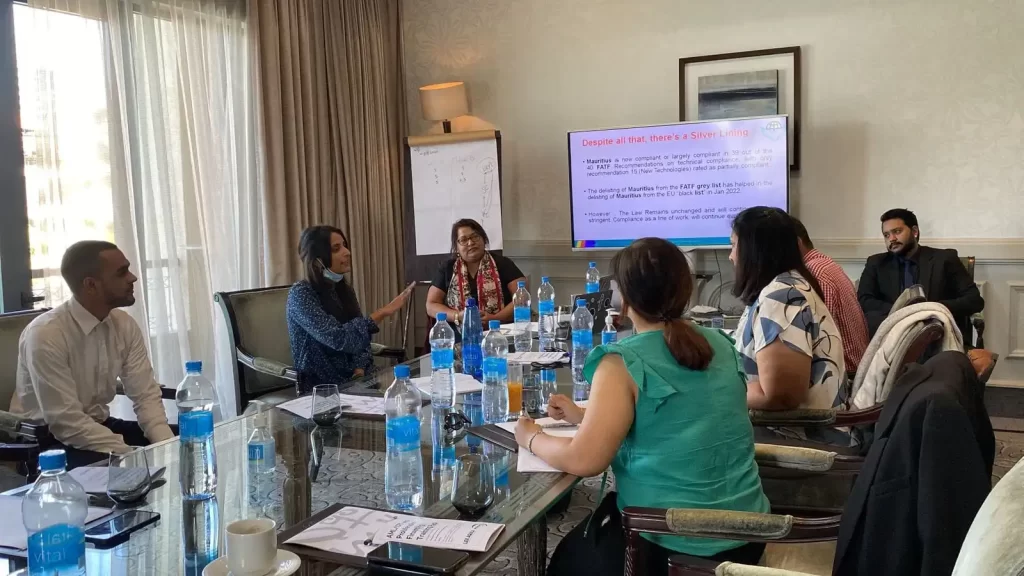
related reading
Explore general reading on employment relationships and workplace issues in Mauritius.
employment insights →Read plain-language guidance on institutions, courts and professional legal roles.
legal-system insights →Explore general family-law guidance where gender and private life intersect.
family-law insights →discuss the mandate
The appropriate scope and form of delivery can then be defined.